What is MQL4 and How to Use It for Algo Trading? (Beginner’s Guide 2025)
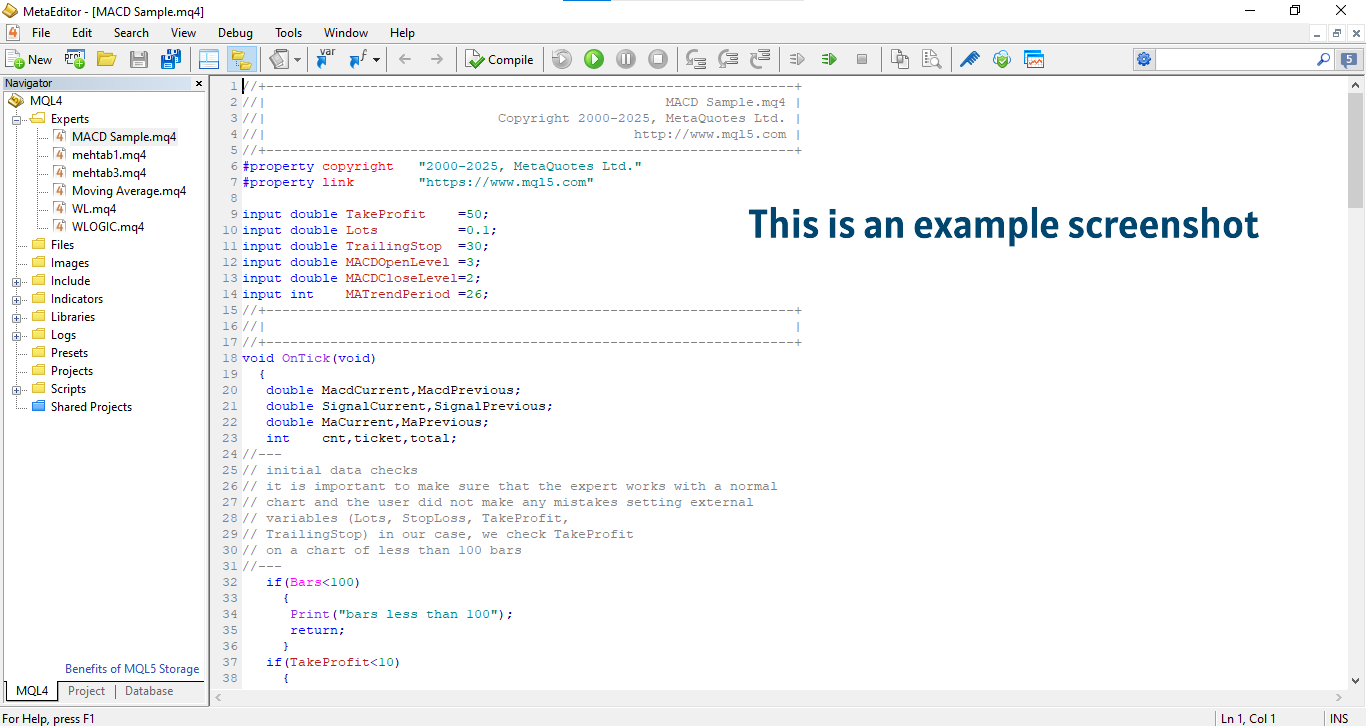
MQL4 (MetaQuotes Language 4) is the programming language behind MetaTrader 4 (MT4), one of the most popular platforms for forex and CFD trading. It allows traders to create Expert Advisors (EAs), custom indicators, and scripts to automate trading strategies. By learning MQL4, you can execute trades automatically, monitor market conditions, and even test strategies on historical data. Whether you are new to forex or already an experienced trader, understanding MQL4 can give you an edge in algorithmic trading.
Why Learn MQL4?
There are several compelling reasons to learn MQL4:
- Automation: Execute trades automatically according to your strategy without manual intervention.
- Custom Indicators: Create indicators that are not available on MT4 by default.
- Backtesting: Test strategies on historical data to evaluate performance before risking real money.
- Scalability: Run multiple strategies simultaneously and manage them efficiently.
- Competitive Advantage: Traders who automate their strategies often outperform those who trade manually.
Understanding Expert Advisors (EAs)
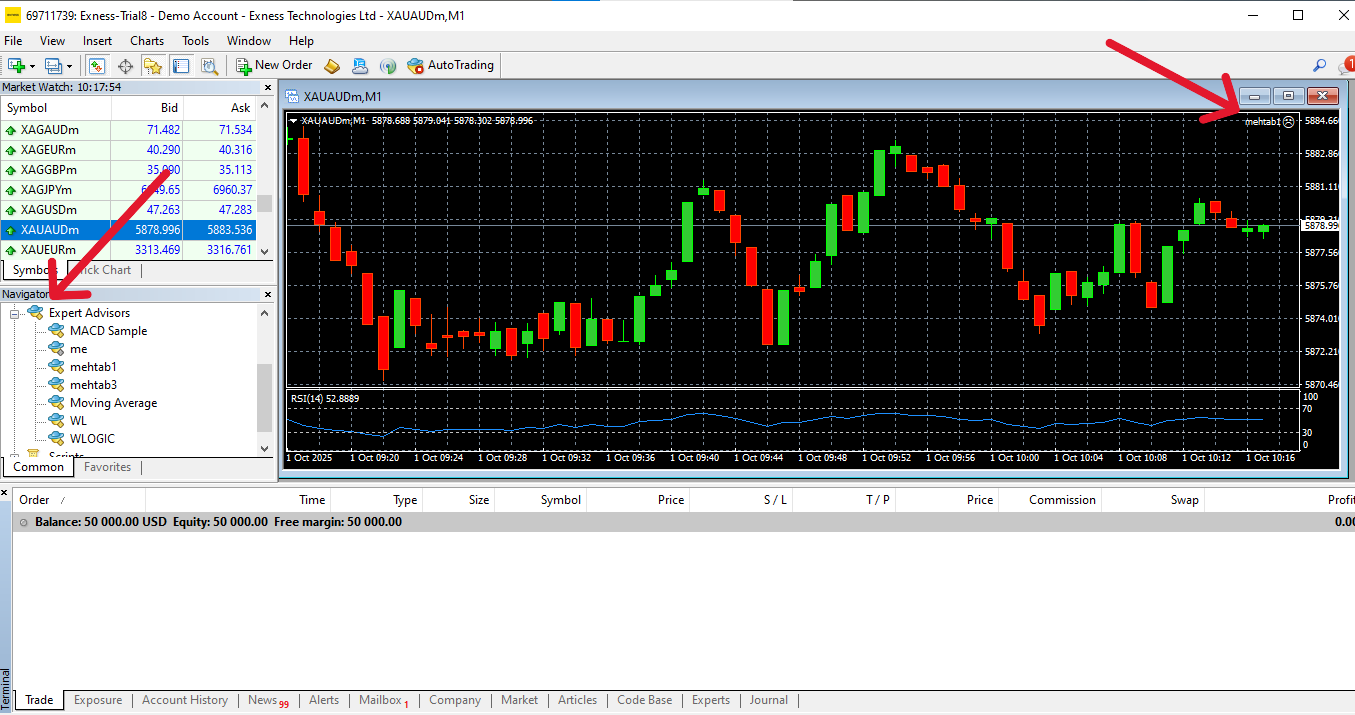
An Expert Advisor (EA) is a program written in MQL4 that automates trading. It can analyze price data, generate trading signals, and execute orders automatically. Here’s what you need to know:
Key Features of EAs:
- Automated execution of buy/sell orders
- Customizable strategies with parameters
- Ability to use multiple technical indicators
- Risk management automation including stop loss and take profit
Sample EA Workflow:
- Analyze market conditions using indicators.
- Generate a buy or sell signal based on the strategy.
- Execute the trade automatically.
- Monitor trade and apply stop loss/take profit rules.
- Repeat on every new tick.
Setting Up MT4 for MQL4
Before coding in MQL4, you need to set up MetaTrader 4 correctly:
- Download MT4: Choose a reliable broker and download the MT4 platform.
- Install MT4: Follow the installation guide and login to your demo or live account.
- Open MetaEditor: MetaEditor is the environment for writing MQL4 code. You can create EAs, scripts, and indicators here.
- Create Your First EA: Use the “New” option in MetaEditor and select “Expert Advisor (template)” to start coding.
Basic MQL4 Code Structure:
int OnInit() {
   // Initialization code
   return(INIT_SUCCEEDED);
}

void OnTick() {
   // Code executed on every market tick
}
Every EA has at least two functions: OnInit() which runs once when the EA starts, and OnTick() which runs whenever a new price tick arrives.
Common MQL4 Functions
Here are some essential MQL4 functions you should know:
| Function | Purpose |
|---|---|
| OrderSend() | Place a buy or sell order |
| OrderClose() | Close an open order |
| iMA() | Get the value of a Moving Average indicator |
| iRSI() | Get the value of Relative Strength Index (RSI) |
| OrderModify() | Modify stop loss, take profit, or price of an order |
Backtesting and Optimization
Backtesting is a crucial step in automated trading. It lets you simulate how your EA would perform on historical data. MT4 provides a Strategy Tester where you can:
- Select a currency pair and timeframe.
- Choose a testing period (e.g., last 6 months of data).
- Run the EA and check performance metrics like profit, drawdown, and win rate.
- Optimize parameters to improve performance without overfitting.
Example Metrics from Backtesting:
| Metric | Example Value |
|---|---|
| Total Profit | $1,200 |
| Drawdown | 5% |
| Win Rate | 65% |
| Number of Trades | 250 |
Risk Management in MQL4
Automated trading is powerful but risky. Always include risk management in your EA:
- Stop Loss: Limits your losses on a trade.
- Take Profit: Automatically closes a trade when a target profit is reached.
- Lot Sizing: Adjust position size according to account balance.
- Max Open Trades: Limit the number of simultaneous trades to reduce risk.
Creating Custom Indicators
MQL4 allows you to create indicators that are not available by default in MT4. For example:
- Custom Moving Averages with unique smoothing
- Trend strength indicators
- Volatility indicators for scalping
// Sample custom indicator
int OnInit() {
   IndicatorBuffers(1);
   SetIndexBuffer(0,Buffer1);
   return(INIT_SUCCEEDED);
}

int OnCalculate(...) {
   // Calculate indicator values
}
Scripts vs EAs
Besides EAs, MQL4 supports scripts and custom indicators:
- Scripts: Run once for a specific task, such as closing all orders or opening multiple trades.
- Indicators: Analyze data and provide visual signals on charts.
- EAs: Fully automated trading based on rules.
Best Practices for MQL4 Coding
- Always test on a demo account before using real funds.
- Use proper naming conventions for variables and functions.
- Comment your code to make it readable and maintainable.
- Use error handling for order execution to prevent crashes.
- Keep strategies simple to avoid over-optimization.
Download Sample Bot
To get started, you can download our beginner-friendly EA and test it in your MT4 platform:
Next Steps
After learning MQL4 basics, focus on:
- Building complex strategies with multiple indicators.
- Optimizing parameters using MT4 Strategy Tester.
- Learning MQL5 for MetaTrader 5, which is more advanced and versatile.
- Joining trading forums to share ideas and get feedback.
Conclusion
MQL4 is a powerful tool for anyone looking to automate their trading strategy. From writing your first simple EA to creating complex multi-indicator bots, MQL4 opens doors to consistent, disciplined trading. Start with demo accounts, follow our step-by-step guides, and gradually move to live trading. By 2025, mastering MQL4 will make you a competitive algo trader in forex and CFD markets.
This guide now covers everything from setting up MT4, coding your first EA, using indicators, backtesting, risk management, and advanced strategies. With practice, patience, and testing, you can automate trades efficiently and safely.